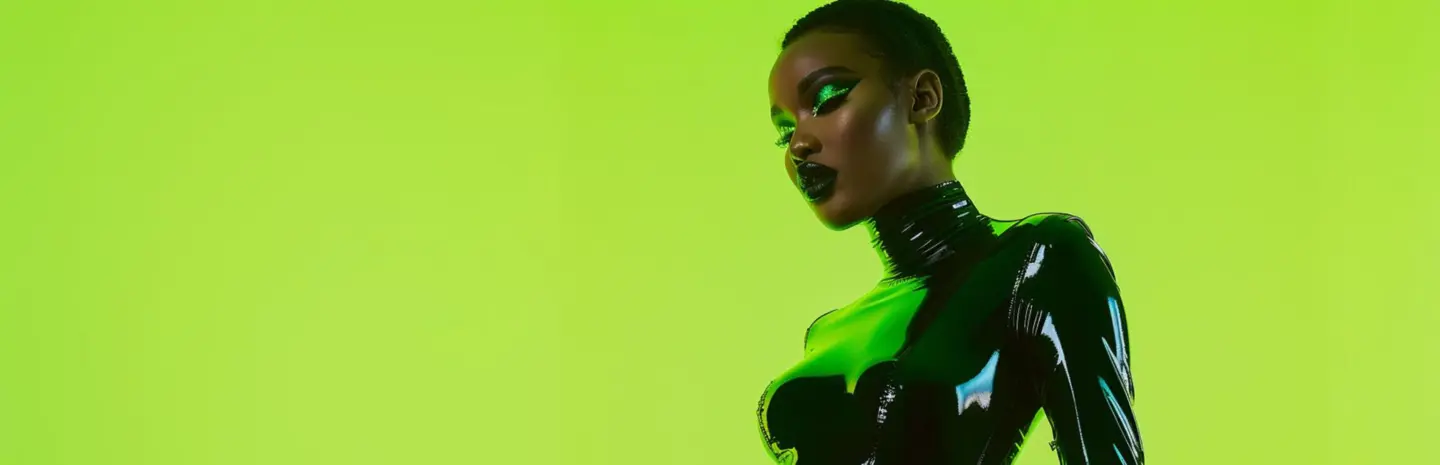
AI as creative partner: Moodboards & inspiration in seconds
Introduction: The designer’s eternal challenge
Every creative process begins with inspiration. A spark, a color palette, a texture seen on the street. But translating that spark into a moodboard that communicates your vision? That’s where time, energy, and sometimes frustration come in. For decades, designers have cut magazines, saved folders of images, and manually stitched together visuals to spark the creative flow.
Now, AI promises to change this. Imagine building a moodboard in seconds, testing different vibes, and letting algorithms suggest visual directions you might never have considered. But here’s the real question: Can AI really act as a creative partner rather than just a tool?
From scrapbooks to screenshots: The evolution of moodboards
Moodboards are not new. They’ve been around as long as design itself physical collages evolving into digital boards on Pinterest, Figma, and Milanote. The idea hasn’t changed: condense a feeling into a collection of images.
What has changed is speed and accessibility. Today, AI can generate moodboards automatically by analyzing keywords, references, or even a single uploaded image. Instead of manually hunting down 50 visuals, you can type: “Romantic futuristic streetwear in pastel tones” and get a board ready in seconds.
It’s a shift not just in workflow but in how we think about inspiration. The board no longer reflects just your manual search, it’s shaped by algorithms trained on millions of visuals across fashion, art, and culture.
How AI moodboards actually work
At the heart of AI-powered moodboards are three core technologies:
- Image recognition: AI tools scan huge databases of images and group them by style, color, theme, or even emotional tone.
- Generative models: some tools don’t just collect visuals, they create new ones. A request for “90s minimalism meets cyberpunk” might generate unique visuals that don’t exist anywhere else.
- Recommendation engines: similar to how Netflix suggests shows, AI can suggest visuals based on your past choices. Select three images, and the system predicts what else might fit.
The result? A process that feels less like digging through piles of content and more like collaborating with a hyper-fast visual assistant.
Why speed matters for creatives
Fashion moves quickly. By the time a designer collects inspiration, competitors might already be prototyping. AI collapses the gap between idea and execution.
- Faster brainstorming: what used to take days of research now takes minutes.
- More iterations: designers can test multiple directions instead of committing to one too early.
- Accessibility: students and independent designers without big research teams get the same level of visual exploration as major brands.
But speed isn’t the only benefit. There’s also a surprise. AI can surface connections between styles that a human might overlook, think “Baroque textures combined with streetwear silhouettes.”
The creative partner debate: Inspiration vs. replacement
Here’s where the conversation gets interesting. Critics argue that moodboards generated by AI risk becoming repetitive, recycling the same aesthetics seen online. If everyone uses the same AI prompts, will originality fade?
Supporters counter that AI is not replacing vision, it’s extending it. The human designer still decides which visuals resonate, what direction fits their brand identity, and how to translate inspiration into actual garments. AI becomes a partner in exploration, not a replacement for taste.
The tension lies in balance. Just because the tool can generate 500 variations doesn’t mean you need them. The designer’s role is to edit, to curate, to say: “This is us.”
Real-world examples: Fashion meets AI inspiration
Several fashion players are already experimenting:
- Refik Anadol x Dior: using AI-generated visuals to inspire immersive runway environments.
- Stitch Fix: leveraging AI trend analysis to guide stylist moodboards and outfit curation.
- Adobe Firefly: allowing creatives to generate brand-specific visual assets directly from text prompts.
Even smaller brands are catching on using AI moodboards to pitch collections to buyers, guide photoshoots, and align creative teams faster.
The student advantage: learning inspiration with AI
For students, AI moodboards are a double-edged sword. On one hand, they make it easier to experiment, test styles, and learn faster. On the other, there’s the danger of leaning too much on algorithmic aesthetics without developing personal taste.
That’s why education matters. At platforms like Fashion AI School, students learn not just how to use AI tools, but how to critically interpret their output, filter noise, and blend machine suggestions with human creativity. Because at the end of the day, technology is only as powerful as the decisions it helps us make.
The UX factor: working with AI tools
Not all tools are created equal. The best AI moodboard platforms focus on usability:
- Simple inputs: natural language prompts instead of complex settings.
- Collaboration features: shared boards for teams, real-time edits.
- Style preservation: ensuring results match brand identity instead of generic aesthetics.
For example, “Ask Ralph,” an experimental AI stylist tool, combines natural conversation with visual suggestions, making the interaction feel more like talking to an assistant than typing into a machine.
The future: From static boards to dynamic systems
We may soon move beyond static moodboards altogether. Imagine dynamic boards that adapt as trends shift, updating automatically when new aesthetics emerge. Or interactive boards where visuals are linked to supply chains, letting designers see not just inspiration but actual sourcing options.
In that sense, the moodboard becomes not just an inspiration tool but part of the entire design pipeline. AI isn’t just helping you imagine, it’s helping you build.
Challenges: Originality, bias, and over-reliance
No discussion would be complete without acknowledging the risks:
- Originality: Will AI-generated boards make everything look the same?
- Bias: If datasets are dominated by Western fashion, will other aesthetics be sidelined?
- Over-reliance: If students never learn to research manually, will they miss the deeper cultural context?
The solution isn’t to avoid AI, but to use it critically. Think of it like using Photoshop, it’s powerful, but it doesn’t decide what story you want to tell.
Conclusion: AI as a spark, not the flame
AI-generated moodboards won’t replace human imagination. They’ll spark it, accelerate it, and sometimes even challenge it. The designer remains the final editor, the one who decides what fits and what doesn’t.
For students and emerging designers, this is an exciting moment. Learning to use AI not just as a tool but as a partner could become the new baseline skill for the fashion industry.
Curious about experimenting with these tools yourself? At Fashion AI School, we teach the practical ways AI can fit into your workflow whether you’re building your first collection or refining your creative process. Because while fashion schools focus on tradition, we’re helping you shape the future.

FAQ
What does “AI as a creative partner” mean in fashion?
It means using AI tools not just for automation, but as collaborators in ideation, suggesting fresh visuals, styles, and variations that a designer can refine further.
Which AI tools are used as creative partners?
Tools like generative models, image synthesis applications, AI design assistants, and co-creative frameworks (e.g. GANs trained for fashion) are used to generate ideas and prototypes.
How does AI support inspiration and moodboards?
AI can mass-search image databases, generate visuals from prompts, cluster aesthetic themes, and even suggest unexpected pairings to enrich the inspiration process.
Will AI replace human creativity in fashion?
No, AI lacks cultural context, emotional nuance, and vision. Human designers guide, edit, and choose what resonates, keeping the art in the creative process.
What are the benefits of treating AI as a partner?
Faster ideation cycles, more visual variations, less wasted time on repetitive tasks, and more space for high-level creative thinking.
How should new designers learn to use AI as creative partners?
Practice prompt engineering, experiment with outputs, learn to curate results critically, and combine AI suggestions with personal vision and cultural awareness