AI hyperrealism in fashion: How to create AI visuals and avatars that look real
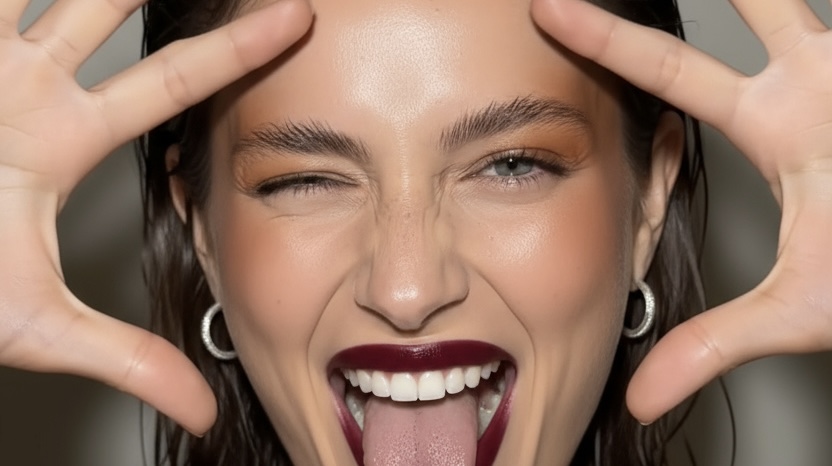
AI hyperrealism is the new standard in fashion imagery. It makes AI-generated visuals look like real photography with lifelike skin, believable lighting, natural anatomy, and authentic fabric textures. This article explains what hyperrealism is, why most AI images still look fake, and why brands and creators are turning to specialized workflows to achieve cinematic, editorial-quality AI visuals. To learn the actual techniques, join our workshop or offline course where we teach the exact systems, tools, and realism methods step-by-step.
What is AI hyperrealism in fashion?
AI hyperrealism in fashion refers to the creation of AI-generated images that look indistinguishable from real photographs.
This includes:
- natural skin with visible texture
- realistic lighting and shadows
- accurate body proportions
- believable fabric draping
- subtle imperfection that feels human
- expressive eyes, natural hair, asymmetry
- photographic-level detail
Hyperrealism is the opposite of the “AI look”: plastic skin, over-smoothed faces, unnatural poses, and stiff fabrics.
Fashion brands, designers, photographers, content creators, and digital artists are rapidly adopting hyperrealistic AI to produce campaign-ready visuals without expensive photoshoots, models, studios, or post-production teams.
But producing visuals that feel real, not rendered, requires a specialized approach.
Why most AI fashion images still look AI-generated
Even with powerful tools like Stable Diffusion, Midjourney, and fashion-specific AI platforms, most AI-generated fashion images still fail to pass as real photography.
Common issues include:
1. Overly smooth, plastic-looking skin
AI tends to “beautify” faces automatically, removing texture, pores, and micro-variations.
2. Unnatural or inconsistent lighting
Lighting often looks digital, overly sharp, or physically incorrect.
3. Anatomical distortions
Hands, shoulders, necks, and body proportions frequently look wrong.
4. Incorrect fabric behavior
Clothes float, crease unnaturally, or fold inconsistently with physics.
5. Overly perfect symmetry
Real humans are asymmetric, when an AI image looks “too perfect,” it breaks realism.
6. Strange eye reflections or dead-looking eyes
AI eyes often lack the subtle depth that real photography captures.
7. Lack of cohesion between elements
Hairlines, shadows, earrings, eyelashes, bags, and edges often mismatch.
These flaws are why AI images still get labeled as “AI-looking” or “uncanny.”
Hyperrealism solves this but not with simple prompting. It requires a controlled workflow.
What true hyperrealism looks like in fashion imagery
Hyperrealistic AI fashion visuals include:
Authentic skin texture
Visible pores, natural highlights, subtle imperfections.
Realistic light behavior
Shadows fall logically, light wraps softly, tones match real camera behavior.
Human imperfection
Slight asymmetry, natural hair flyaways, organic posture.
Correct editorial anatomy
Balanced shoulders, correct wrist alignment, believable hands.
Fabric that behaves like fabric
Clothing drapes with weight, friction, and gravity.
Emotion and presence
AI visuals that “feel alive,” not robotic.
This is the difference between “AI-generated” and “editorial-level.”
The tools behind hyperrealism and why tools alone aren’t enough
Modern platforms provide the foundation:
- Stable Diffusion XL
- Midjourney v6
- Runway / Krea
- Fashion-focused AI model generators
- Avatar identity and consistency systems
- Detail enhancement AI tools
- Professional-grade retouching
But here’s the truth:
Tools don’t create hyperrealism, technique does.
You can take two creators, give them the same tools, and their results will not be equal.
Hyperrealistic results require specific lighting theory, identity consistency methods, detail layering, anatomical control, fabric realism strategies, and advanced post-processing workflows.
These are the elements we teach in our workshop and full course.
Why hyperrealism matters for modern fashion brands
E-Commerce
Consistent, lifelike virtual models showcase products without photoshoots.
Lookbooks & catalogs
Collections can be re-shot instantly with updated lighting, styling, or backgrounds.
Campaign concepts
Brands can explore creative ideas quickly without committing budgets.
Diversity & inclusivity
AI makes it possible to represent a range of body types, skin tones, and ages without casting constraints.
Sustainability
No samples, no shipping, no physical waste.
Speed
Campaign visuals that once took weeks can now be created in days or hours when you know the process.
Hyperrealism gives fashion brands a competitive edge by producing high-quality visuals at scale.
What you need for hyperrealistic results (without giving away the methods)
Instead of showing the techniques (saved for the workshop), here are the core areas hyperrealistic workflows rely on:
Skin & texture science
Not prompts but texture strategy.
Lighting theory
Understanding how real light behaves, not just naming a light source.
Editorial anatomy
Correct posture, perspective, balance, and camera logic.
Identity consistency
Ensuring the “AI model” looks identical across all images, essential for brands.
Fabric behavior modeling
Making clothes behave like physical garments.
Detail stacking
The advanced process that eliminates the “AI look.”
Post-production principles
How to make AI images feel like high-end editorial photography.
Each of these is a skill, not a prompt you can copy/paste.
This is why most people fail to produce realistic AI images even when using the same tools as professionals.
What you’ll see when hyperrealism is done correctly
A hyperrealistic AI visual:
- looks like a real photo
- has photographic depth
- captures subtle emotion
- shows natural imperfection
- has believable fabric physics
- avoids uncanny valley completely
When someone sees it, they respond with:
“Wait… is this real?”
Use cases: Who benefits the most from hyperrealistic AI fashion visuals?
Fashion Designers
Showcase garments before producing samples.
Creative Directors
Visualize campaign ideas instantly.
Photographers
Expand creative production without massive budgets.
Fashion & Beauty Brands
Produce full campaigns saving up production costs
Digital Creators / Artists
Cooperate with global clients from anywhere in the world and build high-level portfolios without any photography equipment.
Influencers & Personal Brands
Create consistent, elevated visual identity.
E-Commerce Stores
Swap models, backgrounds, seasons, or moods dynamically.
The common thread?
Hyperrealism makes everything faster, more on-budget, and more flexible without sacrificing quality.
The future of AI hyperrealism in fashion
Ultra-realistic 3D avatars
Fully rigged avatars with lifelike expression and motion.
AI video fashion models
Runway walks, motion shots, lifestyle videos, AI-generated.
Real-time try-on experiences
Users will visualize outfits on ultra-realistic avatars of themselves.
Blended physical + digital production
Real campaigns enhanced by AI finishing layers.
Studio-grade fashion production on a laptop
Small brands will have access to high-fashion visual quality.
The future belongs to brands that understand and adopt hyperrealism early.
The future of AI hyperrealism in fashion
This article shows what hyperrealism is but not how to actually do it.
The how, the workflows, realism formulas, identity systems, style pipelines, lighting setups, and skin/fabric strategies are exclusively inside our course.
👉 Get the Offline Course
Perfect for creators who want full lifetime access to the entire methodology.
No prompts. No guessing.
Just the real techniques that work.

FAQ