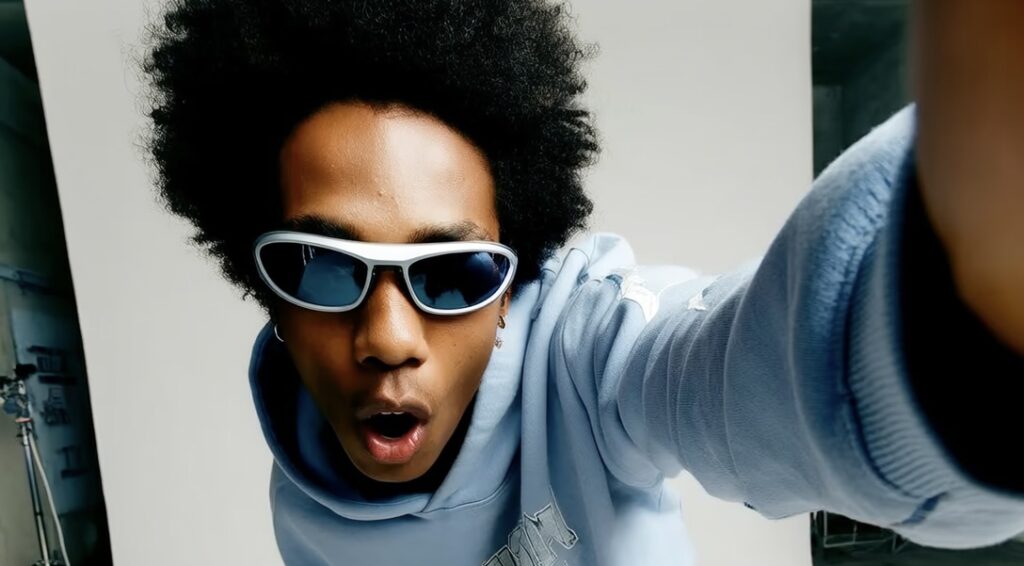
AI-powered fashion marketing: Predicting trends before they happen
How digital twins, sentiment analysis, and virtual models are reshaping brand storytelling.
The race to stay ahead of the trend
Fashion has always been about timing. Miss the right moment, and even the best design fades into the background noise. But what if brands didn’t have to guess anymore?
What if algorithms could sense the next wave of color palettes, silhouettes, and cultural moods before they go viral?
That’s the new reality of AI-powered fashion marketing, a world where data isn’t just analyzed, it’s felt. Brands no longer rely purely on instinct; they blend creativity with computation to stay ahead of the curve.
Let’s unpack how sentiment analysis, trend forecasting, and digital twin technology are helping brands see the future and why this might be the most exciting evolution in fashion marketing yet.
Sentiment analysis: Reading the fashion moodboard of the internet
Scroll through Instagram or TikTok and you’ll notice something: trends aren’t born in runways anymore; they’re shaped by emotion.
Millions of users expressing what they love, hate, wear, and dream of, all in real time.
AI-driven sentiment analysis tools like Brandwatch, Talkwalker, or Hootsuite Insights sift through this digital chatter, analyzing language, tone, emojis, and even images to measure how people feel about a look, collection, or product.
This matters because emotion predicts behavior.
If social data suggests excitement around “nostalgic minimalism” or “techwear futurism,” brands can react instantly, adjusting campaigns, photoshoots, and even inventory.
Example:
Zara’s digital marketing team uses AI to track social media buzz around fabrics and fits. If the algorithm notices an uptick in “cargo skirts” sentiment, production and ad creatives shift within days. It’s intuition, powered by data.
Predictive trend forecasting: The AI crystal ball
Traditional trend forecasting once depended on seasonal reports and expert panels. Now, machine learning models absorb billions of data points, from Google searches to runway photos, to detect emerging styles faster than human analysts ever could.
Companies like Heuritech, Trendalytics, and Edited use image recognition and machine learning to quantify fashion trends.
They don’t just track what’s popular, they predict what will be.
AI looks for micro-patterns:
- How often are certain textures or colors appearing in user-generated photos?
- Which hashtags are peaking?
- How are cultural shifts (say, sustainability or gender neutrality) influencing aesthetics?
What’s fascinating is that forecasting isn’t limited to design, it now powers marketing timing too.
Brands are learning not just what to promote but when to push it.
Imagine launching a “metallic accessories” campaign right as AI models forecast a 40% spike in related searches. That’s marketing precision previously unimaginable.
Social listening: when data becomes dialogue
Social listening takes trend forecasting a step further, transforming insights into engagement.
AI tools parse through millions of online conversations, allowing brands to understand not only what customers like, but why they like it.
Take PrettyLittleThing or Shein. Their entire content and influencer strategy relies on identifying viral aesthetics early, “coquette,” “clean girl,” “mob wife,” and producing creative assets that match the emotional language of those audiences.
The result? Real-time relevance.
No more guessing what will connect; AI shows brands exactly what to say and how to say it.
For smaller fashion entrepreneurs or students learning digital marketing, these tools are gold.
You don’t need a huge team, you just need to know how to interpret the data.
That’s precisely where educational platforms like FashionAI School bridge the gap between theory and execution.
The digital twin revolution: when retail becomes predictive
Now, let’s talk about the next frontier: digital twins.
In fashion retail, a digital twin is a virtual replica of a product, a store or even a customer.
Imagine a 3D version of your boutique that tracks how customers interact with clothing racks in real time. Or a virtual model that predicts which styles will sell best before they’re physically produced.
That’s not sci-fi, it’s happening.
Brands like Nike, Gucci, and H&M are experimenting with digital twin ecosystems powered by AI and IoT data.
- Nike’s “Nikeland” integrates real user behavior from gaming and AR into future design plans.
- Gucci uses virtual stores that test customer reactions to digital fashion items before committing to manufacturing.
- H&M’s predictive inventory systems simulate how collections will perform in different regions, saving millions in unsold stock.
Digital twins connect design, marketing, and retail in one loop of feedback.
They learn, they adapt, and they sell smarter.
Virtual models: The faces of a new era
A few years ago, the idea of digital influencers seemed niche.
Now, they headline campaigns.
AI-generated personalities like Lil Miquela, Shudu, and Imma collaborate with well-renowned fashion brands. These avatars don’t just look real, they engage like real people, commenting, posting, and shaping style narratives.
Here’s the genius: brands maintain total control over messaging while still “humanizing” their marketing. Virtual influencers are tireless, controversy-free, and capable of representing aesthetics across demographics.
But there’s also a philosophical question here:
Can something synthetic truly represent human style?
Maybe yes, if the AI behind it is trained with cultural sensitivity and diversity at its core.
That’s the challenge ahead: building ethical systems that celebrate all forms of beauty, not just algorithmically “perfect” ones.
Predictive personalization: marketing that feels made for you
Have you ever wondered how certain ads feel eerily tailored to your mood or style?
That’s predictive personalization at work.
AI systems combine data from your browsing behavior, location, and even emotional cues (like the colors you linger on) to craft hyper-specific marketing moments.
A shopper who engages with “eco-friendly denim” content might get product suggestions, sustainability tips, and UGC ads within hours, creating an ecosystem of relevance.
For fashion students, understanding this shift isn’t optional. It’s becoming the backbone of every digital marketing role, the ability to merge storytelling with data fluency.
The new skillset: Creatives who think in code
The rise of AI-powered fashion marketing isn’t replacing creativity; it’s expanding it.
Designers, stylists, and marketers are now hybrid thinkers, fluent in aesthetics and analytics.
Knowing how to brief an AI image model, interpret sentiment graphs, or build a digital twin simulation is quickly becoming as essential as knowing how to style a shoot or write copy.
That’s exactly why courses at FashionAI School exist:
to equip the next generation of fashion professionals with hands-on AI skills, not just concepts.
Because fashion schools that still teach as if we’re in 2015 will leave students behind.
The industry’s already moving faster than ever, and AI isn’t slowing down.
Why predictive fashion marketing matters
Let’s be honest: fashion is cyclical, but behavior isn’t.
Consumer expectations are evolving faster than trend cycles.
AI-driven marketing gives brands a survival advantage, the ability to anticipate rather than react.
It turns fashion into a living, breathing conversation between technology and culture.
From digital twins to predictive content, every innovation points to one thing:
Those who can interpret data creatively will define fashion’s next era.
Conclusion: the future is predictive and it’s creative
Fashion has always been a dialogue between people and possibility.
Now, AI adds another voice, analytical yet expressive, logical yet visionary.
Whether you’re a brand strategist, designer, or student, understanding AI-powered marketing isn’t about coding, it’s about seeing connections before others do.
That’s what makes future-ready creatives stand out. And if you’re ready to explore that world, FashionAI School is here to help you learn the tools shaping the future of fashion.
Because style evolves but curiosity always leads.

FAQ
What is AI-powered fashion marketing?
It refers to the use of artificial intelligence tools like trend forecasting, image generation, campaign automation, and personalization engines to design, run, and optimize fashion marketing efforts.
How do brands use AI in fashion campaigns?
Brands leverage AI to generate visuals, predict what styles will trend next, adapt messaging in real time, and segment audiences more precisely.
What are the benefits of AI in fashion marketing?
Faster campaign creation, reduced costs for photoshoots, greater targeting accuracy, and improved return on ad spend.
Are there risks or downsides to AI marketing in fashion?
Yes, risks include image homogeneity, algorithmic bias, loss of brand voice, and over-reliance on data over human creativity.
Can small fashion brands adopt AI marketing?
Absolutely. Many AI marketing tools are accessible as SaaS (software as a service), enabling even small brands to run advanced campaigns at lower cost.
How will AI marketing evolve in fashion?
Expect deeper real-time adaptation, voice & video content generation, emotional targeting, and integration with immersive platforms (AR/VR)